
Global energy disruption has pushed fuel costs to near-historic levels, squeezing Filipino businesses on every front. For SMEs in survival mode, a long-term loan may not be the best option.
The Philippines has always been exposed to shocks from the outside world. As a country that imports 98% of its petroleum products, mostly from the Middle East, global energy disruptions land here fast, passed directly to consumers and businesses through the fuel pricing mechanisms of the Oil Deregulation Law. This year, that exposure became a crisis.
How Wide Is the Gap?
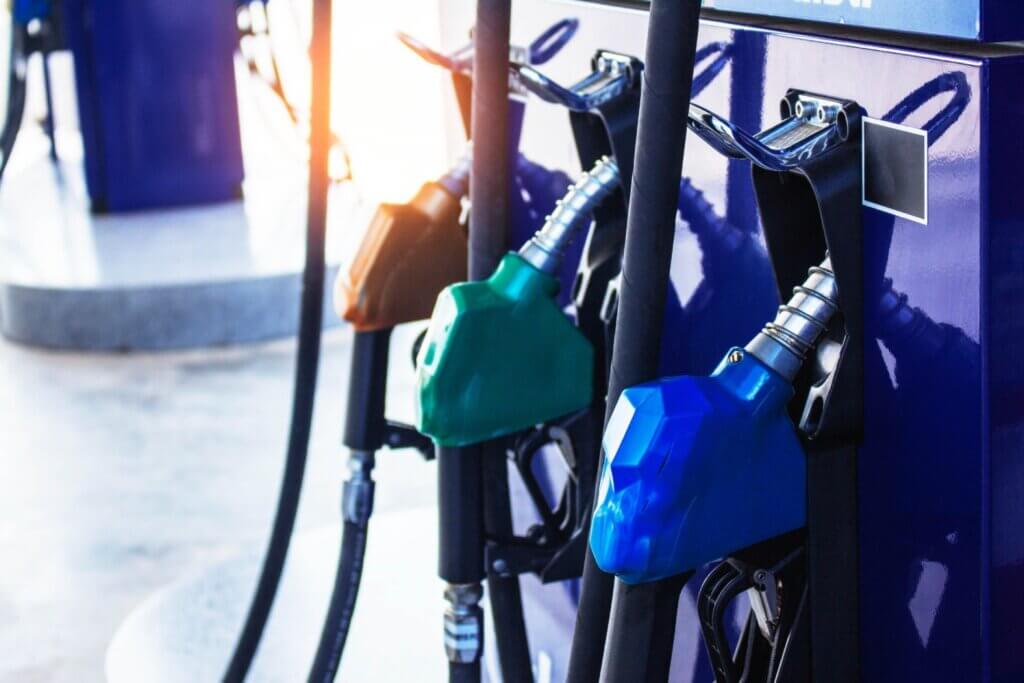
Diesel inflation hit 59.5% in March 2026, gasoline 27.3%, and headline inflation 4.1%. Metro Manila diesel climbed to PHP 110–150 per liter, with projections of PHP 166 before stabilizing. That’s 15 straight weeks of increases.On March 24, President Marcos declared a state of national energy emergency. Unemployment jumped to 5.8% in January 2026, up from 3.8% a year earlier. For Philippine SMEs, that macro pressure is now playing out on the P&L line by line.
Bridge the Financial Gap Now. Before It Widens.
The cost shock isn’t hitting one sector. It’s hitting every business model that moves goods, sources materials, or imports inputs. Each in a different way. Each creating a cash flow gap that didn’t exist six months ago.
Trading businesses are watching import disruptions stretch inventory timelines. When goods sit stuck upstream, you don’t just defer a sale, you miss the sell-through and sell-out windows entirely.
That’s direct income loss, not a timing issue.
Manufacturers are getting squeezed from two sides. Fuel and electricity costs are up. And local suppliers of industrial inputs (plastics, packaging, processed food ingredients, construction materials) are raising prices in step with fuel, because nothing regulates industrial pricing the way retail fuel is regulated. Pass the cost on and you lose contracts. Absorb it and you lose margin.
Agriculture
Rising fuel costs are squeezing SMEs where it hurts most—delivery. Transporting perishable goods now costs more, forcing fewer trips, shorter routes, and tighter distribution. With revenue tied to speed and reach, SMEs must keep goods moving despite higher costs—creating an immediate need for bridge financing.
Engineering & Infrastructure
Fuel-driven cost increases are hitting both materials transport and equipment operations. Projects become more expensive to run, putting pressure on timelines and cash flow. Bridge financing helps keep builds moving despite rising costs.
Logistics & Distribution
Higher fuel prices directly cut into margins. SMEs must choose between raising prices or absorbing costs—both risky. Bridge financing provides the liquidity to maintain operations and service levels.
Retail
Rising transport costs make inventory more expensive to move and replenish. This tightens margins and limits stocking decisions. Bridge financing helps retailers keep shelves filled and sales steady.
Manufacturing
Fuel costs are pushing up both inbound materials and outbound distribution expenses. With limited flexibility to adjust pricing quickly, margins are squeezed. Bridge financing helps sustain production and manage cash flow gaps.
Food & Beverage
From sourcing ingredients to fulfilling deliveries, costs are rising across the board. SMEs must balance pricing with customer demand while keeping operations steady. Bridge financing helps absorb these pressures without compromising service.
Technology
Innovation can’t pause—but it’s getting more expensive. Tech SMEs face rising costs in building products and competing for talent, especially as global demand tightens supply. To keep developing and hiring without slowing down, bridge financing becomes essential.
That gap needs to be bridged before it widens into something permanent.
Don't wait for the gap to widen. Bridge it now.
How JK Capital Works With You In These Trying Times

A non-bank financing partner isn’t a last resort here. It’s the most practical option available. Because what businesses need right now is not a long-term loan that takes three months to approve. They need a bridge that moves when the market does.
1. Speed of Bridging Solutions
Bridge financing can be unlocked in as fast as 5–7 business days for complete applications. It’s designed to work alongside—not replace—your long-term financing. While banks take 60+ days, this closes the gap now so operations don’t stall.
2. Customization of Financing
Rates from 3.5% to as low as 2%, terms up to 24 months, and structures are built around your actual cash flow and risk capacity. A longer loan with lower monthly rates isn’t always cheaper—total interest often favors shorter terms. The focus is on what your business can realistically sustain.
3. Product Types Matched to the Gap
Different gaps need different tools—term loans, working capital, secured or unsecured loans, and PDC rediscounting to convert receivables into cash. Whether it’s inventory, raw materials, or payroll, financing is matched to the specific need.
4. Collateral, Strategically
Collateral—property, vehicles, or receivables—is used to strengthen your position, not complicate it. It enables better rates and larger facilities, resulting in a loan structure that reflects your real business capacity—not a rigid checklist.
JK Capital Finance is that partner.
For every ambitious business, having the right partner is essential, and JK Capital is here to fuel SME growth. We provide financing from ₱300,000 to ₱50 million, released in just 5–7 days, so you can elevate your business without delay.
At JK Capital, we evaluate each customer’s financial structure and develop tailored funding strategies that align perfectly with their operations and objectives. With over a decade in the industry and more than 10,000 SMEs funded, we transform business potential into measurable growth. Beyond capital, we are your steadfast partner in achieving breakthroughs — especially when the times are tough.